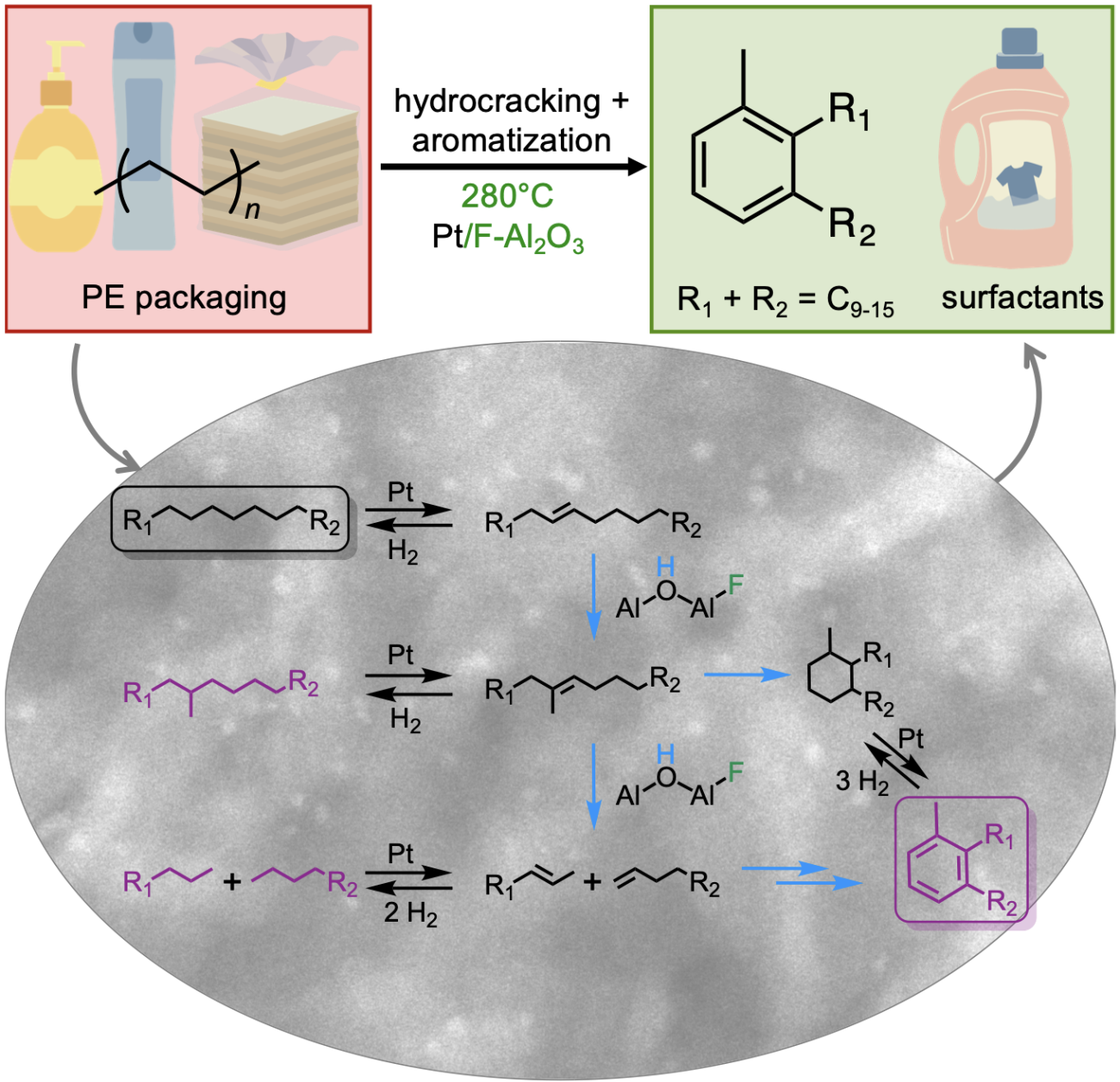
Bifunctional tandem catalytic upcycling of polyethylene to surfactant-range alkylaromatics Bifunctional catalysts improve the viability of chemical upcycling for waste polyolefins to value-added surfactant-range alkylaromatics.
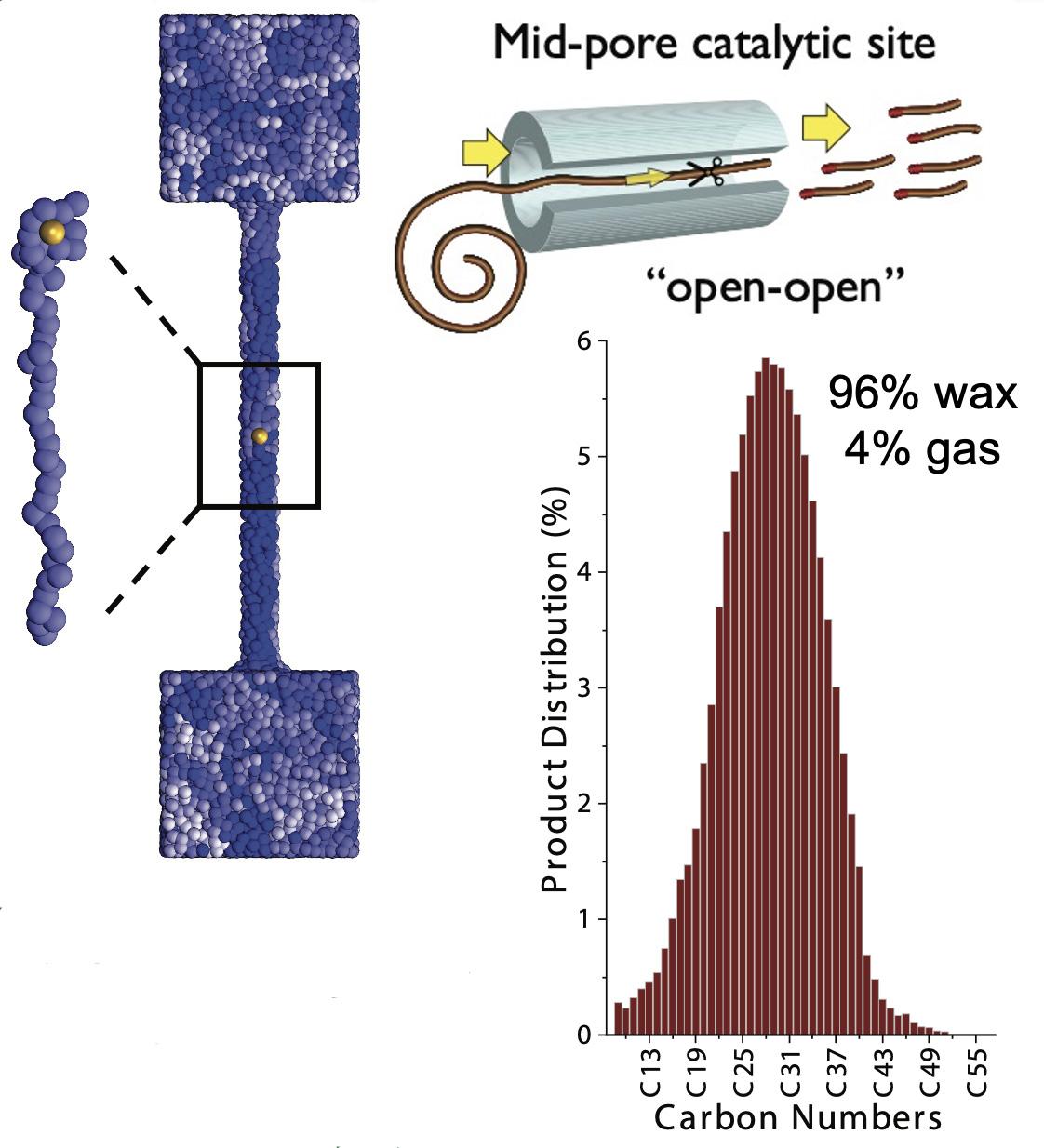
Mass Transfer in Catalytic Depolymerization: Serendipitous Processivity in Stagnant and Stirred Melts The study predicts the effects of diffusion limitations on co-reactant transport to the catalyst and on chain egress after scission.
Superior Deconstruction of Polyolefins by a Catalyst with an “Open-Open” Mesoporous Architecture The new mSiO2/Pt/mSiO2 catalyst efficiently uses H2 for polyolefin deconstruction, with >96% of H2 generating C28-average waxes and preventing gas (especially methane) formation, key for enabling a circular plastic economy.
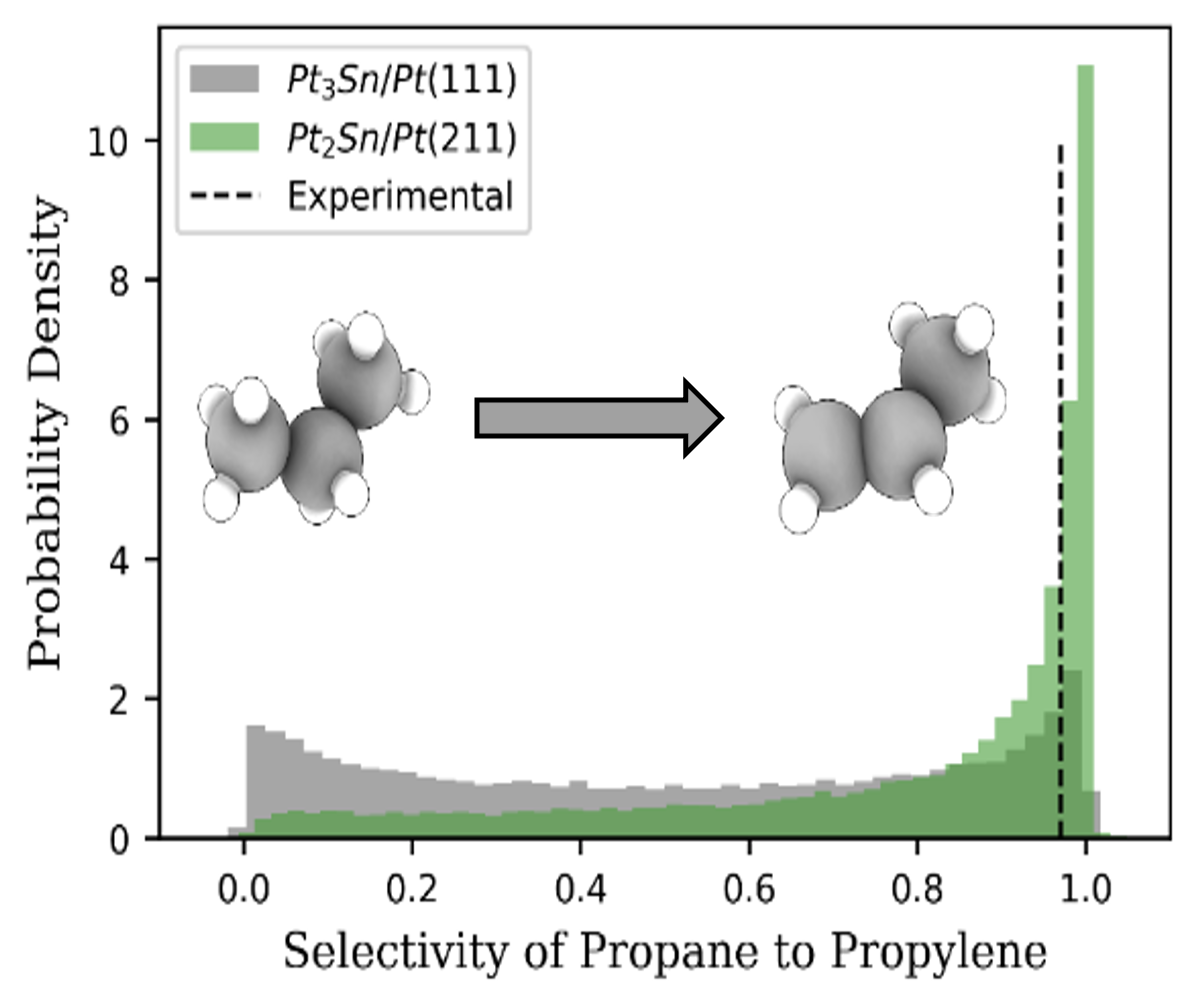
Understanding the effect of Tin alloying on Pt-based catalysts for alkane dehydrogenation and hydrogenolysis Addition of Sn to Pt-based catalysts reduces coke production during propane processing. Sn addition also leads to a reduced activity across all surface facets of a catalyst particle; however, specific modification is surface facet dependent.
New patent award – Ce-based permanent magnets CMI researchers from Ames National Laboratory conducted the research for this highlight.
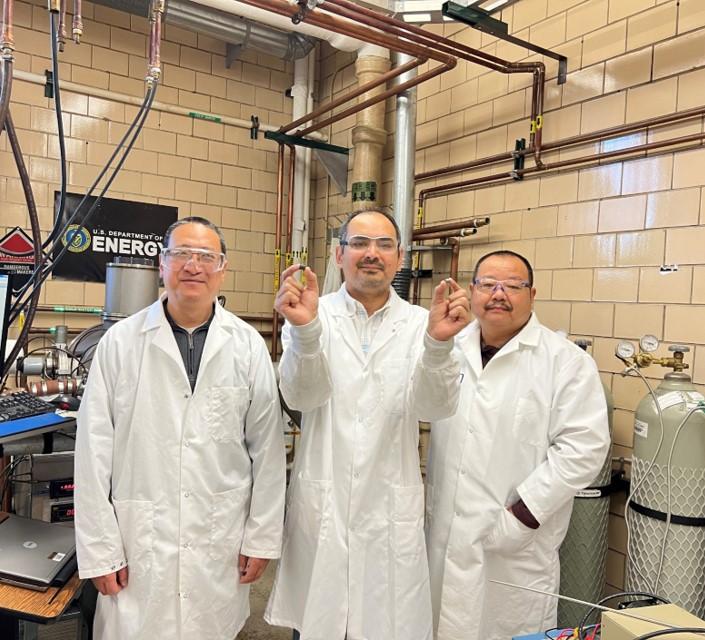
Workforce Development: material engineer externship at national laboratory CMI researchers from Ames National Laboratory and AML conducted the research for this highlight.
3D printing of NdFeB bonded magnets with complex shape CMI researchers from Oak Ridge National Laboratory, Ames National Laboratory and University of Tennessee, Knoxville, conducted the research for this highlight.
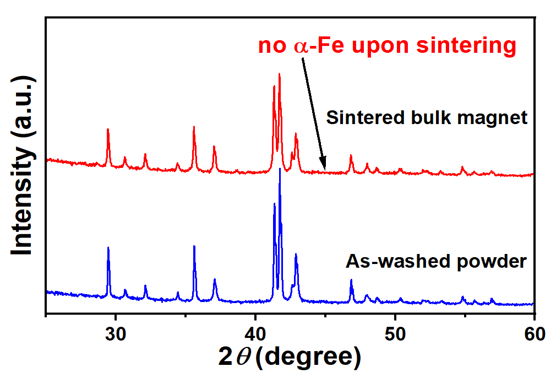
Sm2Fe17N3 as a cost-effective high-performance magnet CMI researchers from Ames National Laboratory conducted the research for this highlight.
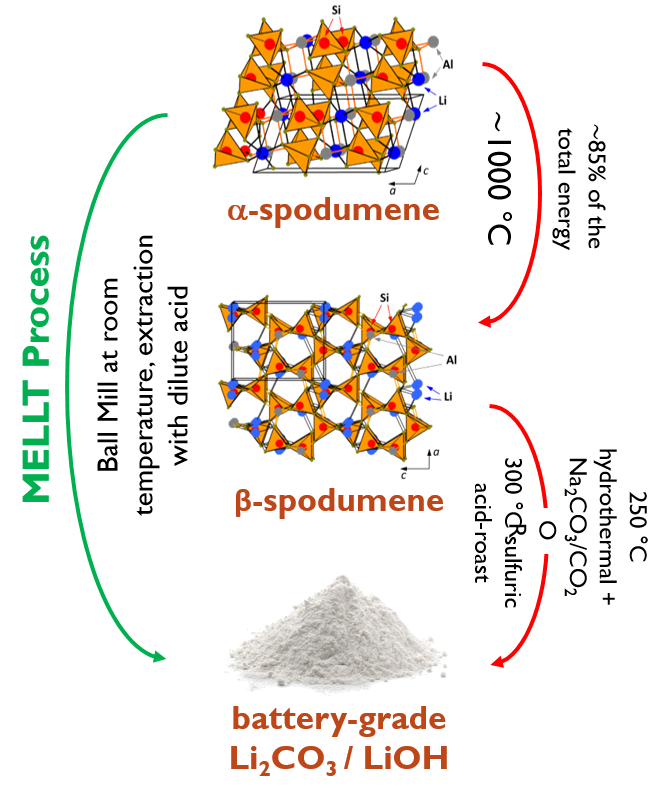
Mechanochemical extraction of lithium at low temperature (MELLT) from chemical-grade domestic α-spodumenes CMI researchers from Ames National Laboratory conducted the research for this highlight.
CMI-trained researcher pursues career in spintronics & magnetic sensors CMI researchers from Ames National Laboratory conducted the research for this highlight.