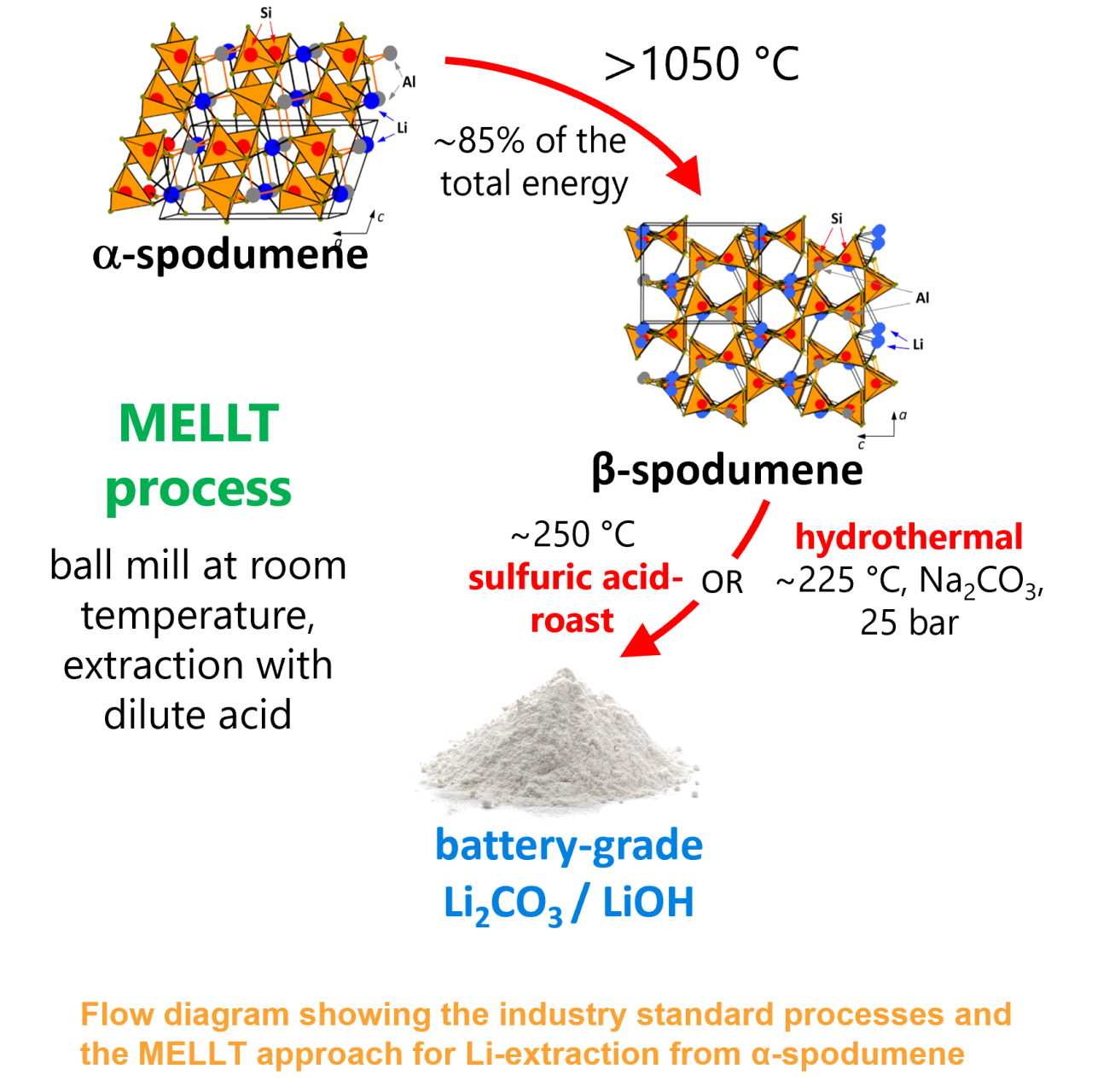
Mechanochemical extraction of lithium at low temperature (MELLT) from α-spodumenes CMI researchers from Ames National Laboratory conducted the activity for this highlight.
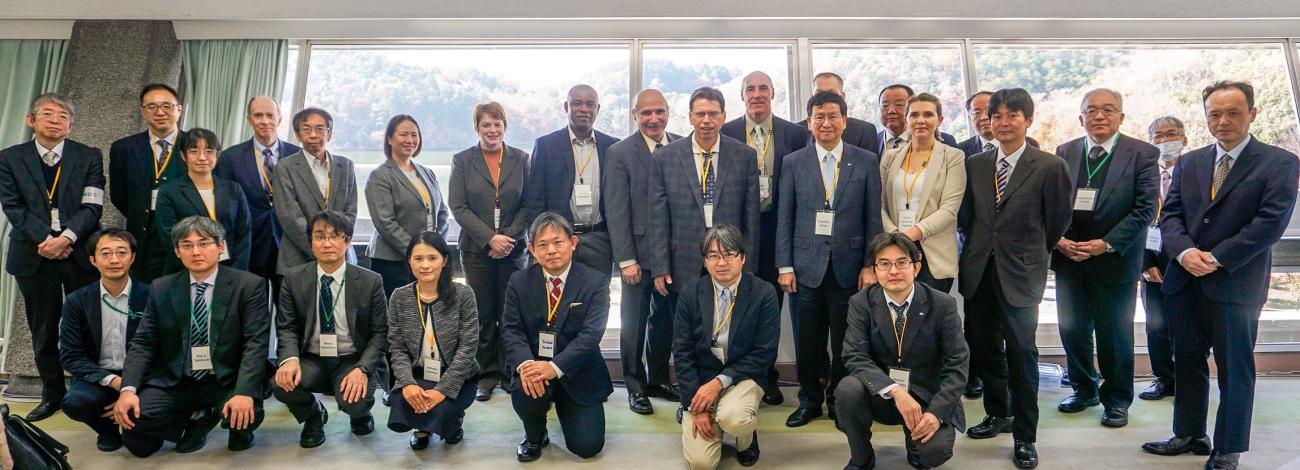
11th Japan-U.S. Bilateral Meeting on Rare Metals CMI leaders conducted the activity for this highlight.
Outreach & collaboration with wider critical materials community CMI leadership conducted the activity for this highlight.
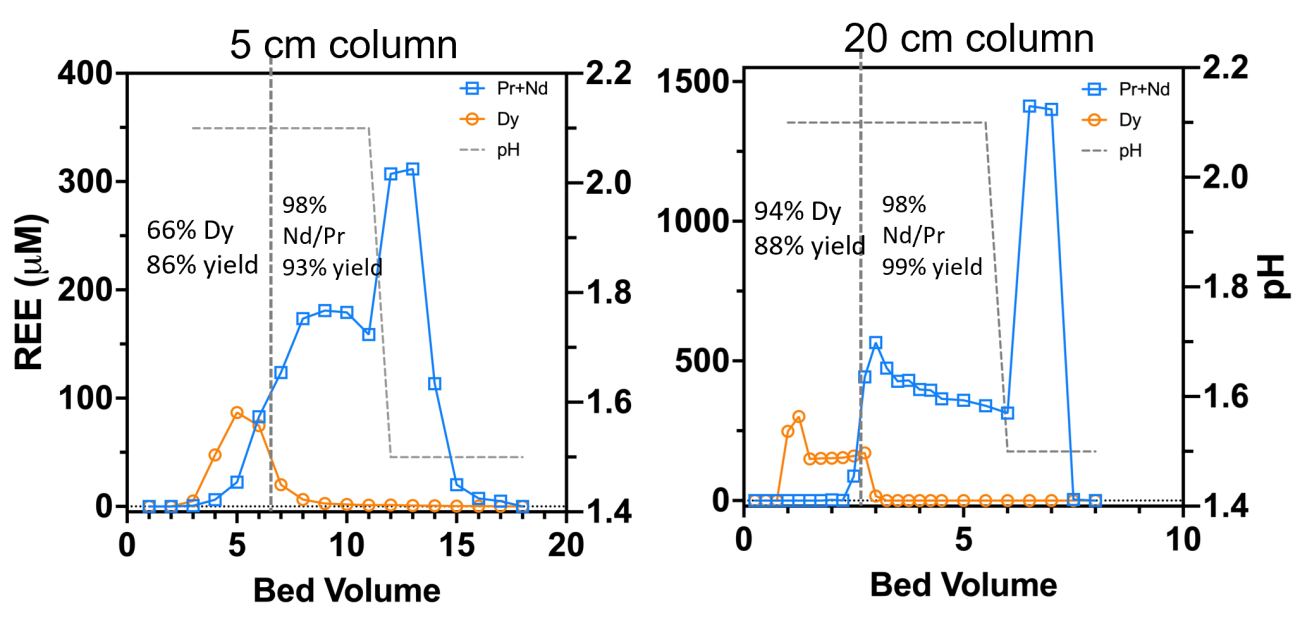
Bigger is better: scaling lanmodulin column for higher purity CMI researchers from Lawrence Livermore National Laboratory and Ames National Laboratory conducted the activity for this highlight.
Novel surface states from antiferromagnetism First-principles calculations reveal that unconventional surface states can arise from band-folding hybridization gap in a topological antiferromagnet (AFM).
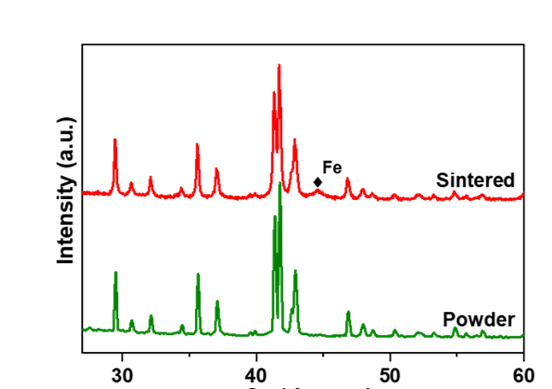
Tailored synthesis in nanoparticle permanent magnets (NPPMs) CMI researchers from the Ames National Laboratory conducted the activity for this highlight.
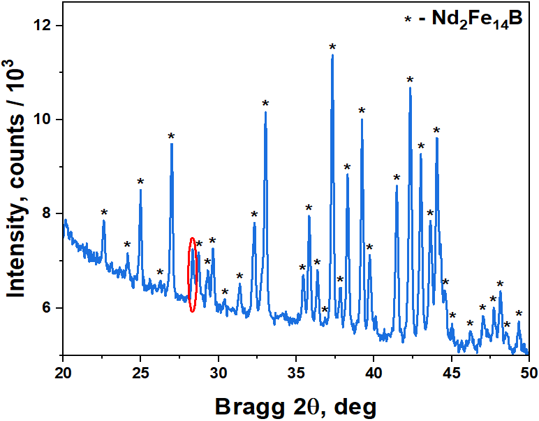
Bypassing electrolysis: one-step calciothermic route from Nd2O3 to Nd2Fe14B CMI researchers from the Ames National Laboratory conducted the activity for this highlight.
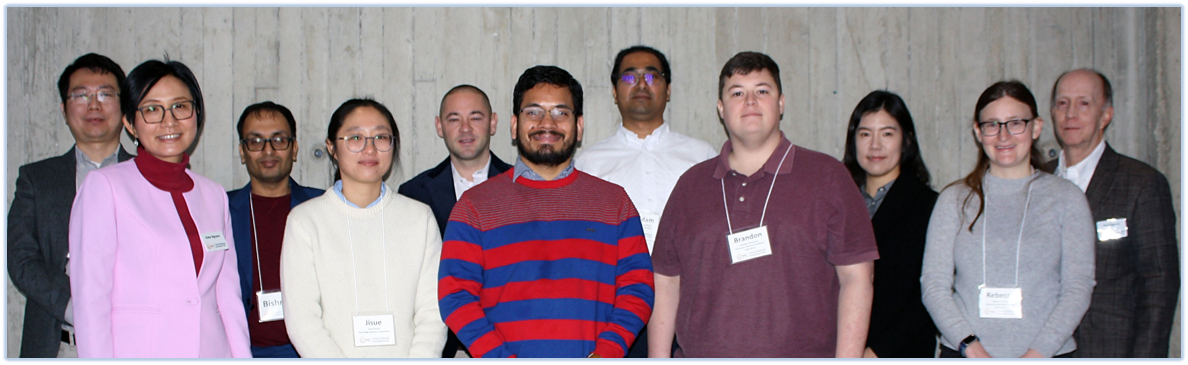
CMI Leadership Academy Cohort 5 meets, begins planning short course CMI researchers from across the Energy Innovation Hub conducted the activity for this highlight.
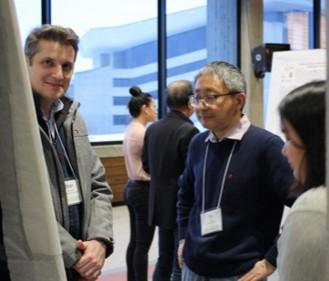
CMI Phase III Kick-Off Event poster sessions CMI researchers from the across the Energy Innovation Hub conducted the activity for this highlight.
CMI Phase III Kick-Off Event CMI researchers from the across the Energy Innovation Hub conducted the activity for this highlight.