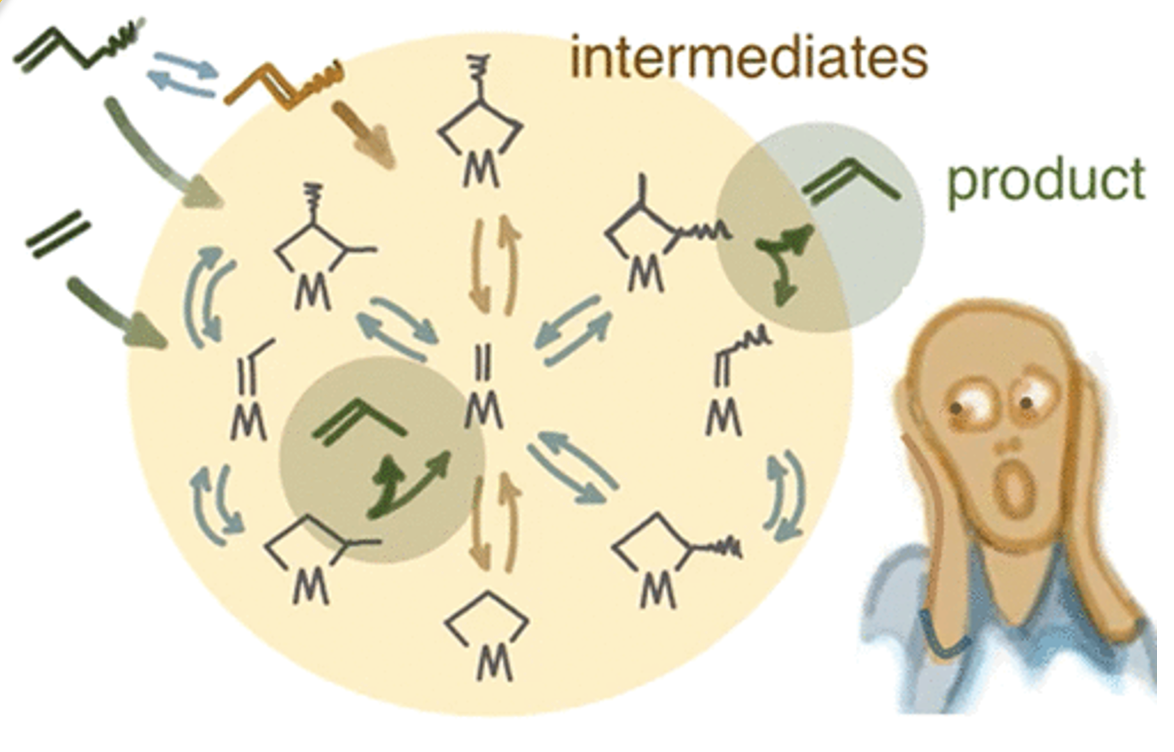
A microkinetic model for isomerizing ethenolysis A microkinetic model for isomerizing ethenolysis (IE) was developed and solved for the first time, to determine reaction orders of two reactants.
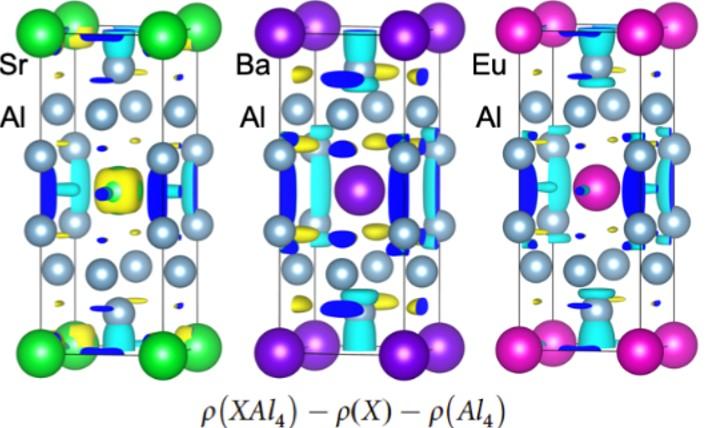
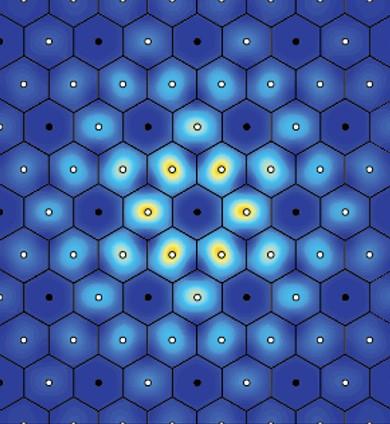
Origin of Charge Density Wave in SrAl4 and EuAl4 First-principles calculations successfully explain the presence and absence of charge density wave (CDW) across the topological semimetal series (Sr, Ba, Eu)Al4.
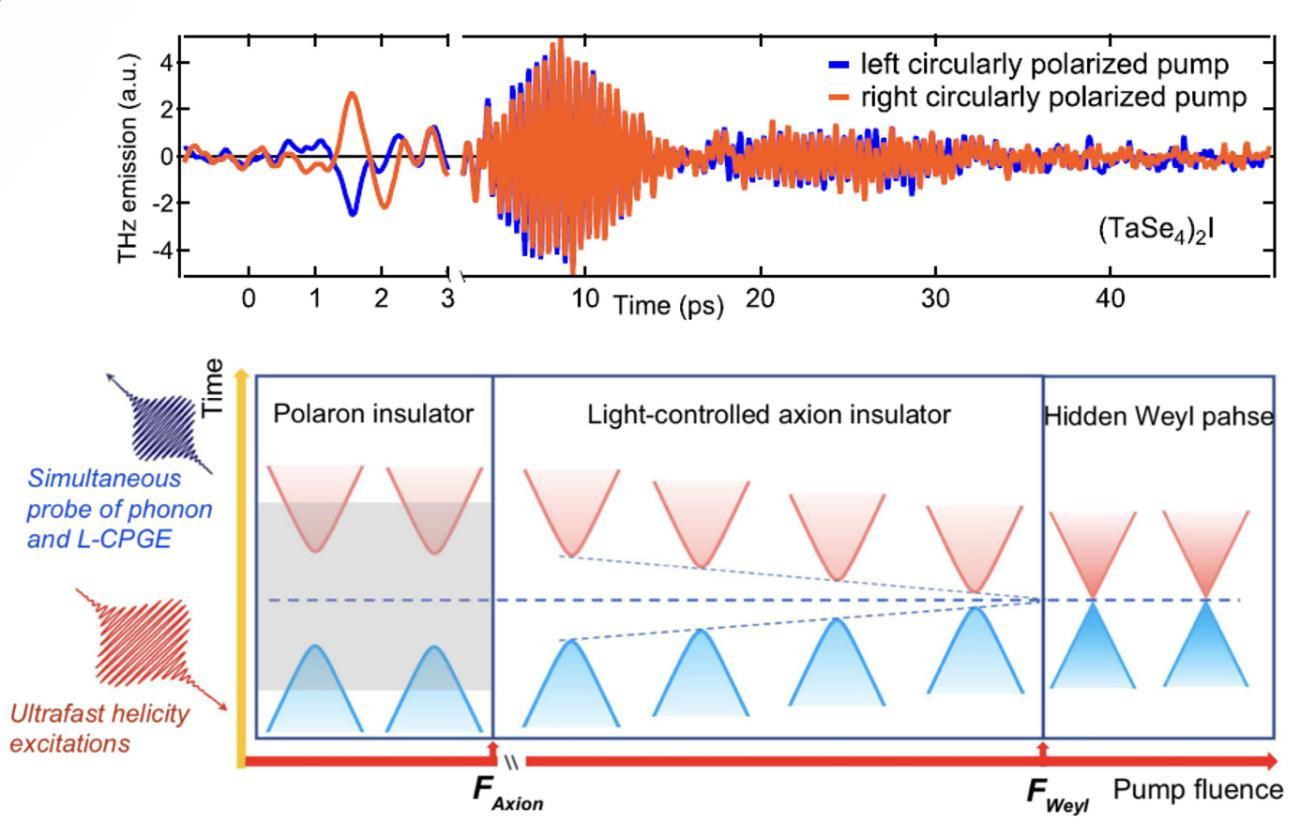
Ultrafast Chirality Switching in a Correlated CDW-Weyl Semimetal Fluence-dependent photocurrents enable controlled transitions within (TaSe4)2I, shifting it sequentially from a polaronic state to a charge density wave (CDW) state, and ultimately to a concealed Weyl phase.
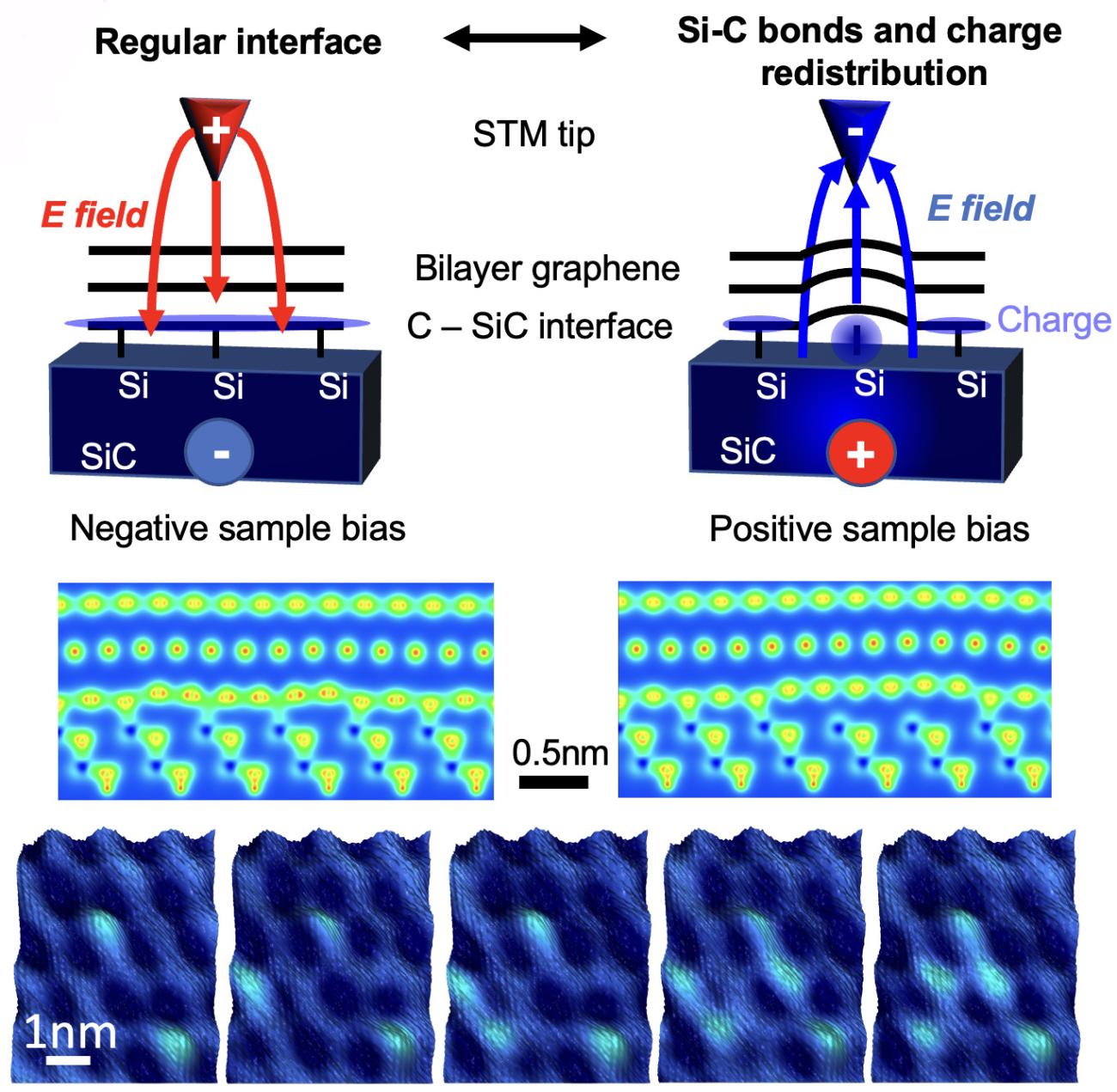
Direct atomic manipulation of a buried graphene interface Epitaxial graphene patterning platform is developed by using the scanning tunneling microscope (STM). A local electric field controls the covalent C-Si bonds at the buried graphene – SiC interface, allowing their reversible breaking and formation.
Unconventional Superconductivity in Mineral Miassite Rh17S15 The mineral miassite, Rh17S15, is shown to be an unconventional superconductor with line nodes in the superconducting gap.
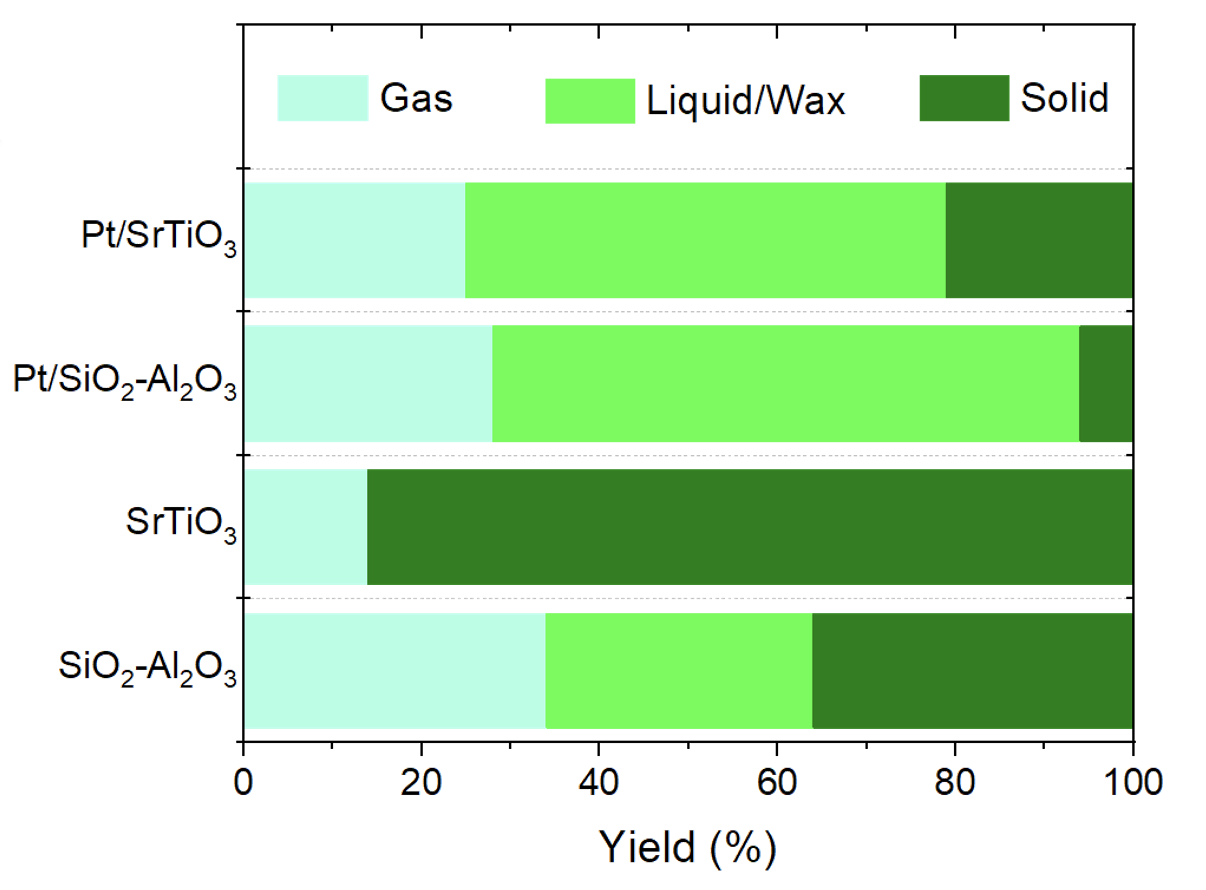
Design principles for polyethylene deconstruction Scientists established mechanistic role of metal oxide support on the catalytic deconstruction of polyolefins under H2.
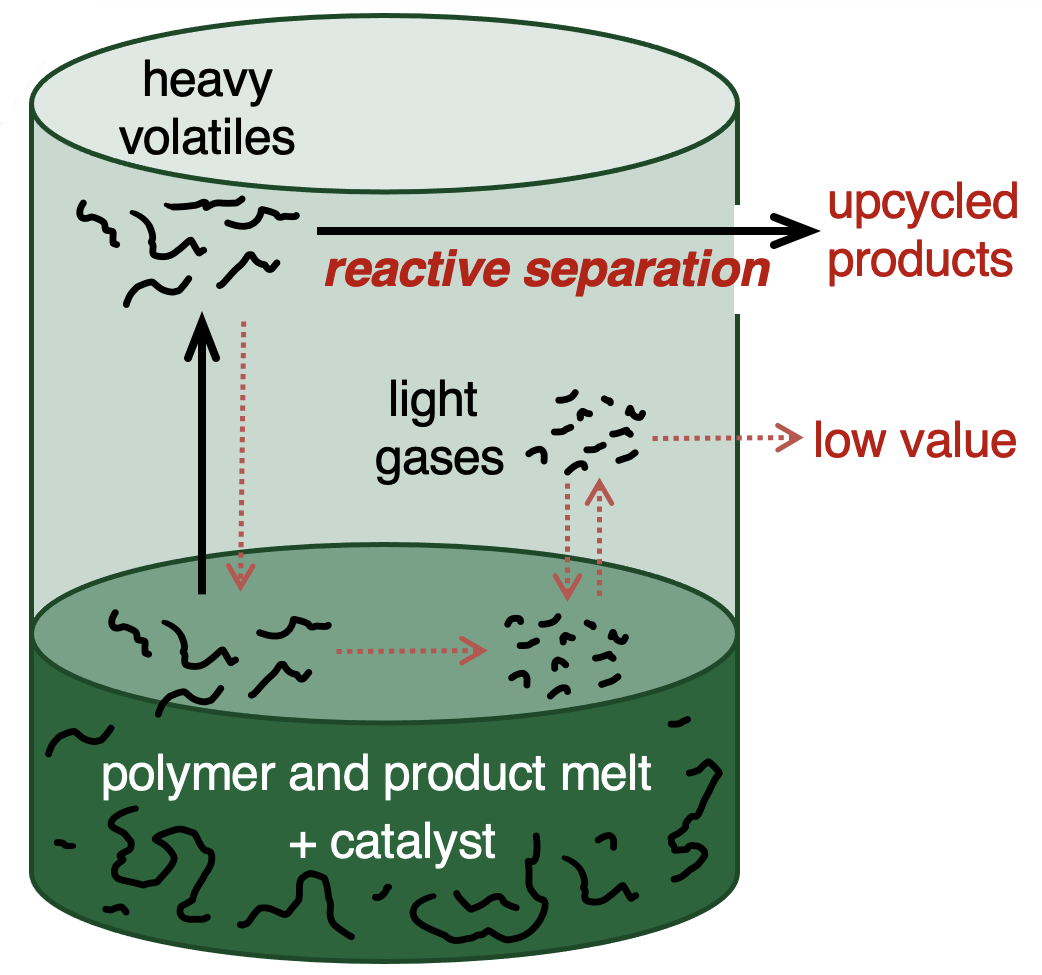
Reactive separations improve polymer upcycling Reactive separation provides a complementary strategy to catalyst design to achieve selective conversion of polyolefins to upcycled liquids and avoiding the formation of light gases.
Chiral magnetic “particles” found in a kagome metal Chiral excitations in the kagome layers of TbMn6Sn6, observed with inelastic neutron scattering (INS), behave like localized magnetic quasiparticles.
Surprising phase diagram of EuPd3S4 under pressure Multiple, diverse high-pressure measurements were used to study the inhomogeneous mixed valence EuPd3S4. Under pressure, it exhibits an eight-fold increase of the Néel temperature followed by a structural transition to a lower symmetry structure that coincides with a transition to a fully non-magnetic state.
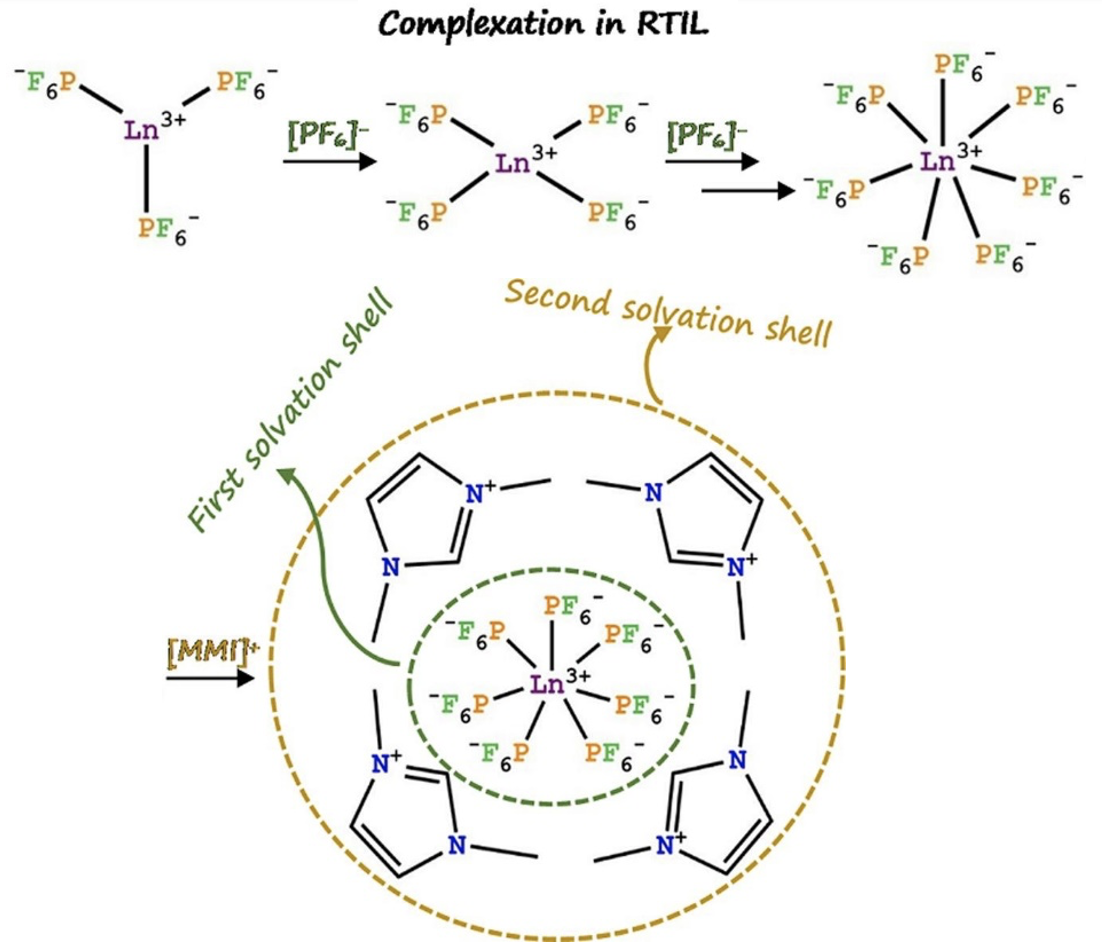
Understanding Rare Earth Element Adsorption Theoretical exploration of solvation phenomena of bare rare-earth (RE) cations in room-temperature ionic-liquid (RTIL) to visualize the solvation mechanism of RE cations in RTIL at the molecular level.