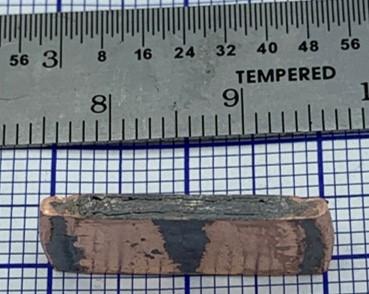
Novel process for making small bulk magnets CMI researchers at Ames Laboratory conducted the research for this highlight
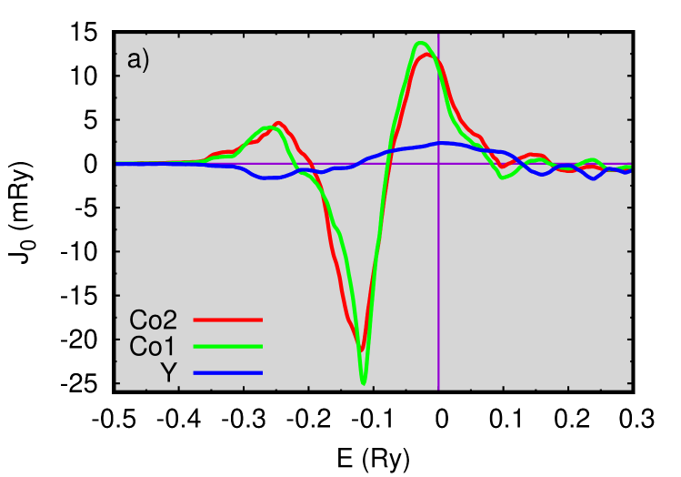
Magnetic anisotropy in rare-earth less “1-5”-type magnets CMI researchers at Oak Ridge National Laboratory conducted the research for this highlight
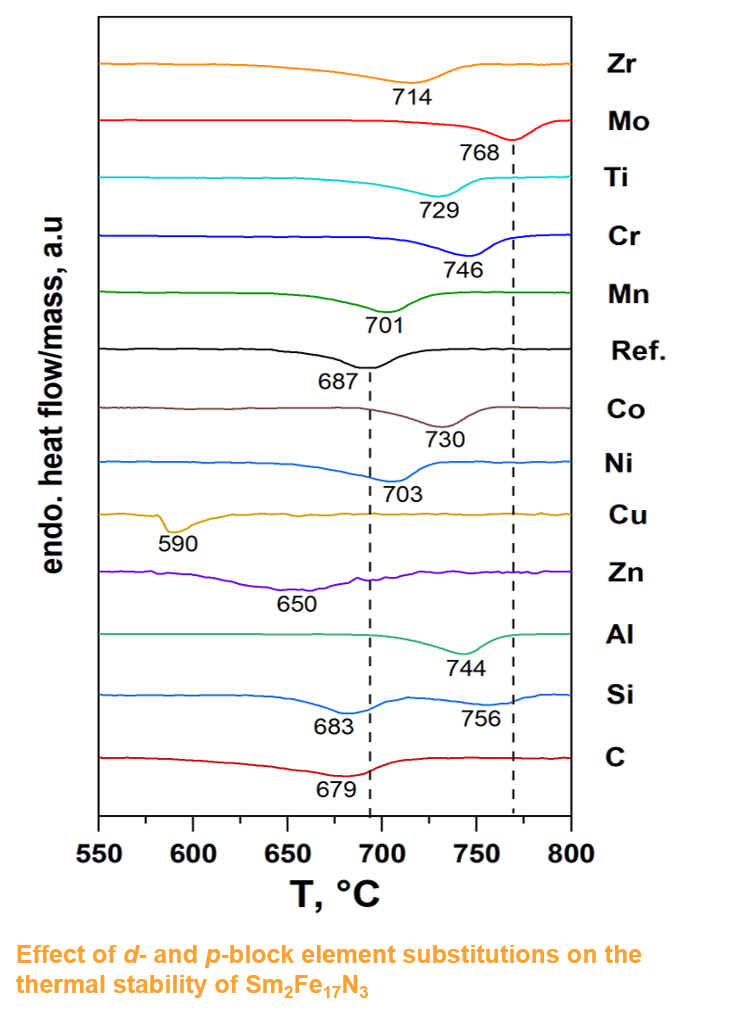
SmFeN as a cost-effective high-performance magnet CMI researchers at Ames Laboratory conducted the research for this highlight
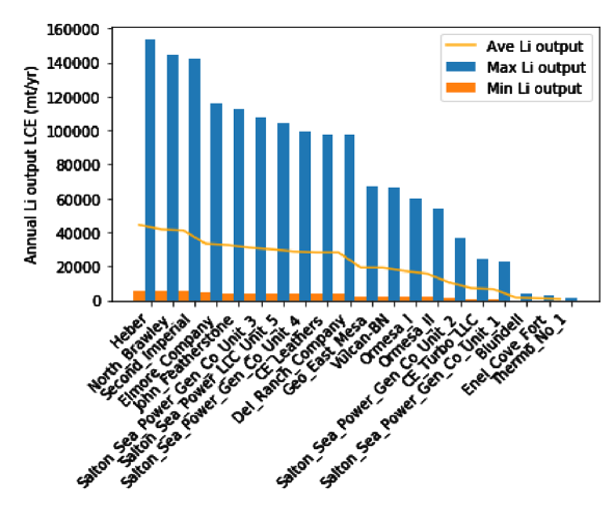
Systems Dynamic model predicts lithium geothermal supply CMI researchers at Oak Ridge National Laboratory and Idaho National Laboratory conducted the research for this highlight
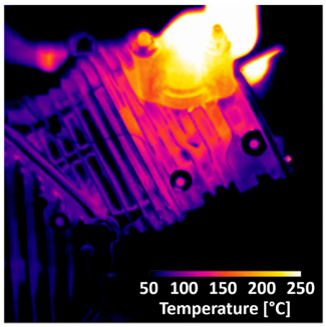
Neutrons probe Al-Ce alloy structure in operation CMI researchers at University of Tennessee, Knoxville, and Oak Ridge National Laboratory conducted the research for this highlight
Economic analysis of electrochemical lithium-ion battery recycling CMI researchers at Idaho National Laboratory conducted the research for this highlight
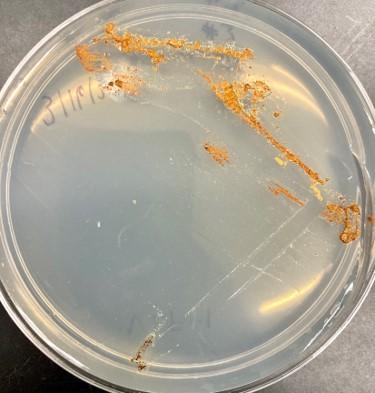
Bugs tease tellurium out of mine tailings—first results CMI researchers at Idaho National Laboratory conducted the research for this highlight
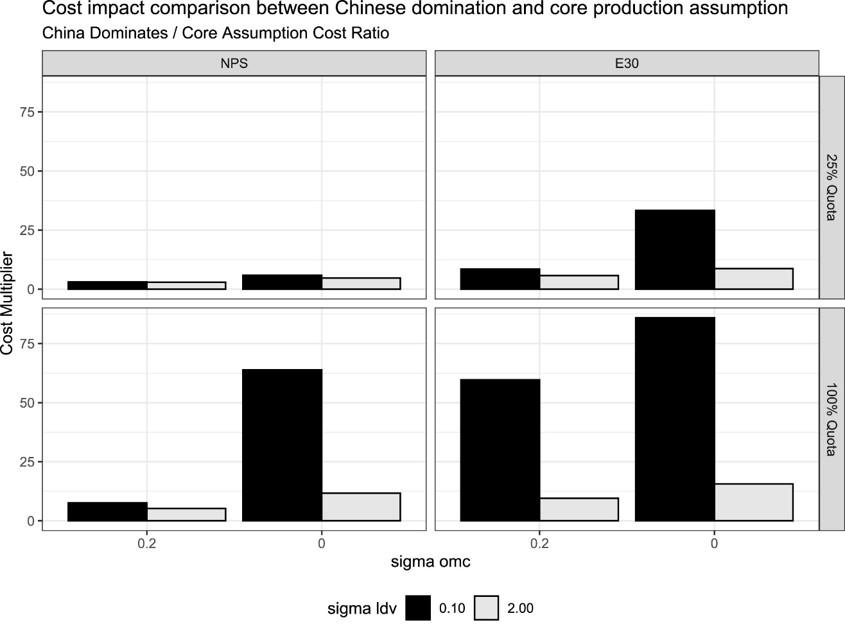
Equilibrium impacts on U.S. economy of disruption to China cobalt supply CMI researchers at Colorado School of Mines conducted the research for this highlight
CMI workforce development highlight: Philip Keller, PhD CMI researchers at Colorado School of Mines conducted the research for this highlight
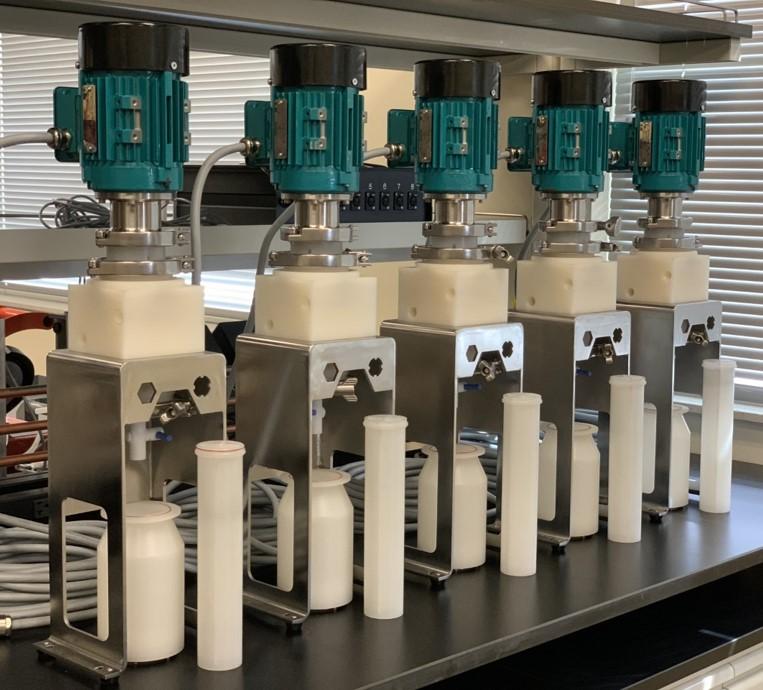
CMI’s separations capability expands by reducing size CMI researchers at Idaho National Laboratory conducted the research for this highlight