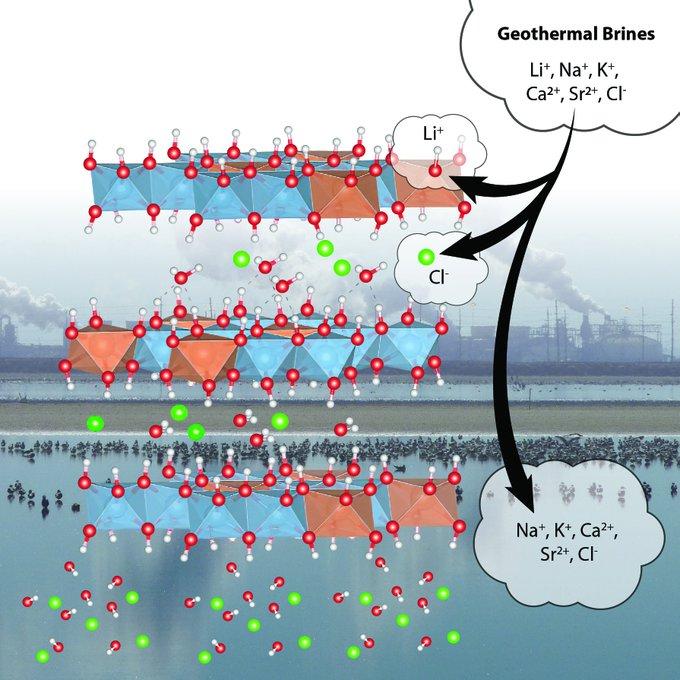
ORNL develops sorbent to recover lithium from geothermal brines ORNL News story on CMI-funded research in diversifying supply
INL: Peculiar fluids offer clean alternative to traditional rare earth separation CMI research based at Idaho National Laboratory investigates unique materials that don’t behave like normal solids, liquids or gases and could displace toxic chemicals used in metal production processes.
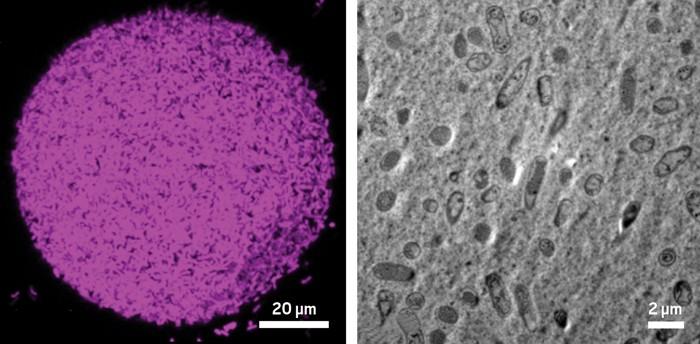
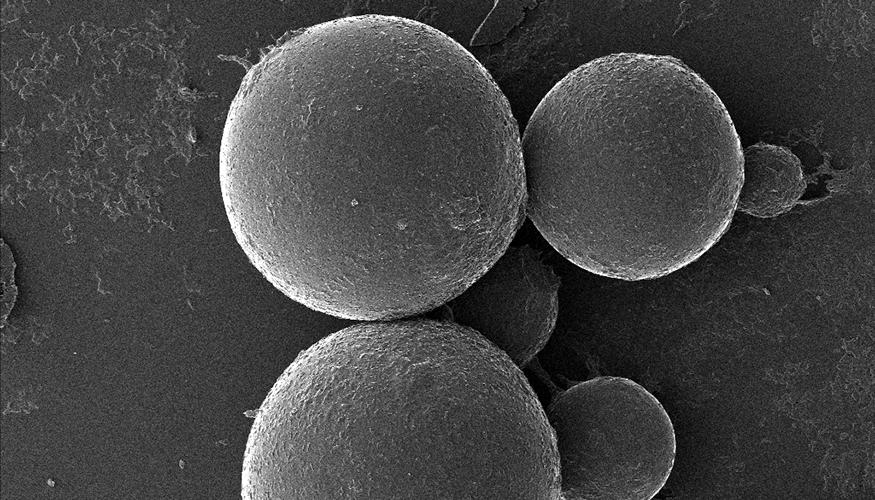
CMI bacteria capture rare earths from electronic waste CMI researchers created gel beads with special bacteria that can absorb critical materials from electronic waste. This is a next step from earlier research where CMI researchers developed bacteria that can select rare earth elements.
Kemetco Research begins testing cathode material for CMI project American Manganese announced that its independent contract lab, Kemetco Research, has begun testing cathode material from disassembled electric vehicle battery packs supplied by a Critical Materials Institute (CMI) Team Member.
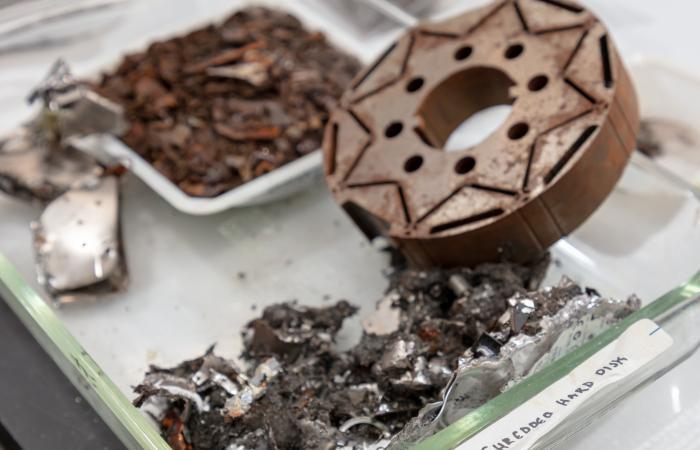
ORNL: From trash to treasure: electronic waste is mined for rare earth elements Rare earth elements are the “secret sauce” of numerous advanced materials for energy, transportation, defense and communications applications. Their largest use for clean energy is in permanent magnets, which retain magnetic properties even in the absence of an inducing field or current.
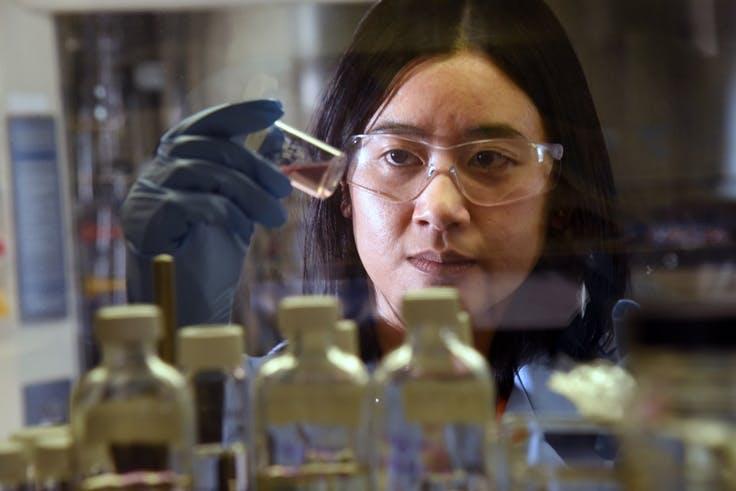
Hongyue Jin named LCA rising star CMI researcher Hongyue Jin at The University of Arizona recently was named a life cycle assessment rising star
LLNL researchers turn to microbe beads to increase U.S. supply of rare earth metals To help increase the U.S. supply of rare earth elements, a CMI team led by Lawrence Livermore National Laboratory is using microbe beads to recover REEs from consumer electronic waste
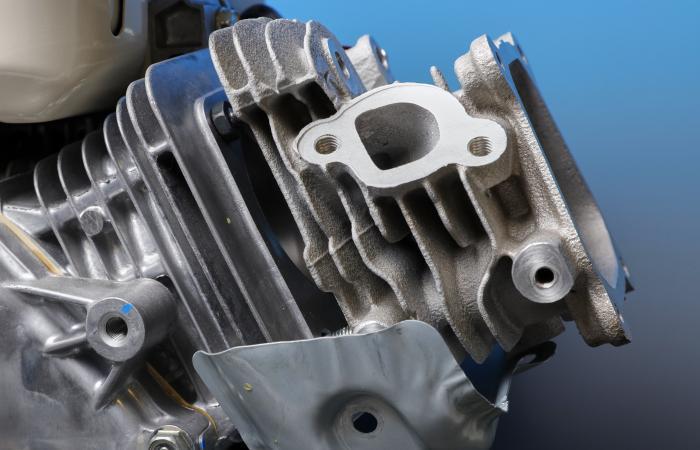
ORNL–Eck Industries partnership fast-tracks high-performance alloys to market The Critical Materials Institute partners Ames Laboratory, Lawrence Livermore National Laboratory and Oak Ridge National Laboratory developed an award-winning aluminum-cerium alloy that is licensed to Eck Industries. ORNL and Eck continue to research this alloy and others.
FIPR Institute Awarded Collaborative Research Funding from Critical Materials Institute The Critical Materials Institute funds projects in diversifying supply, including new sources of rare earth elements.
CMI to feature award-winning aluminum alloy for additive manufacturing at Defense TechConnect A new Al-Ce additive manufacturing alloy invented by the Critical Materials Institute, an Energy Innovation Hub sponsored by the U.S. Department of Energy, will be featured at the Defense TechConnect Innovation Summit and Expo Oct. 8-10, National Harbor, Maryland.