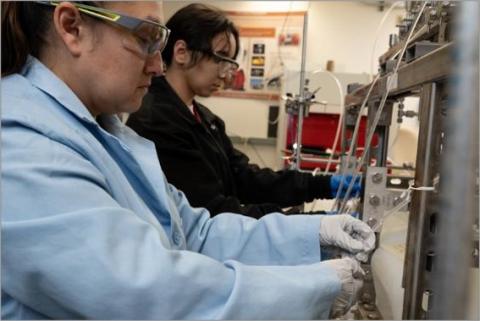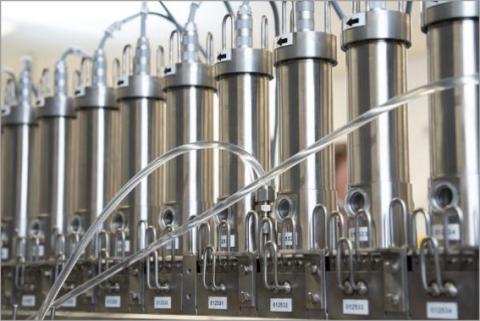
CMI researchers at Florida Industrial & Phosphate Research Institute (FIPR) and the Pacific Northwest National Laboratory conducted the research for this highlight
Innovation
Phosphogypsum (PG), a high-volume waste byproduct of fertilizer production from mined phosphate rock, represents an untapped secondary resource for critical rare earth elements (REEs). The CMI team has developed a new process that selectively recovers REEs from PG while simultaneously converting the residual material into cement as a value-added product.
Achievement
Developed a novel diglycolamide (DGA)-based solvent extraction flowsheet for bulk recovery and purification of REEs from PG (Riverview plant, Mosaic Co) leachate and performed first demonstration using counter-current centrifugal contactors.
Significance and Impact
- The new process achieves 99% recovery of critical REEs from PG leachate.
- It enables in situ generation of two product streams: LREE- and HREE-enriched liquid concentrates.
- The developed flowsheet is fully compatible with centrifugal contactors, providing a clear path toward industrial scale-up.
Hub Target Addressed
Diversifying domestic REE supply chain and minimizing generation of hazardous waste.