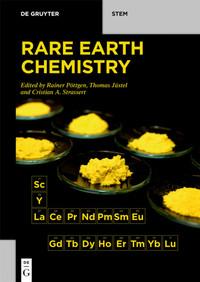
Ames Lab scientists contribute to newly published rare earths textbook “Rare Earth Chemistry,” newly published by De Gruyter, contains a chapter on solid state cooling authored by Ames Laboratory scientists.
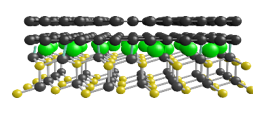
Reliable quality-control of graphene and other 2D materials is routinely possible, Ames Lab researchers say Scientists at Ames Laboratory have discovered and confirmed a method which could serve as an easy but reliable way to test the quality of graphene and other 2D materials.
New computational model stands to make NMR an even more powerful tool for researchers New computational model stands to make NMR an even more powerful tool for researchers
Ames Lab named partner in Brookhaven National Lab quantum research center Brookhaven Lab will lead the Co-design Center for Quantum Advantage (C2QA), which will focus on quantum computing.
Ames Lab named partner with Fermilab in creation of quantum computer prototype Ames Laboratory is a key partner in the Superconducting Quantum Materials and Systems Center (SQMS), led by Fermi National Accelerator Laboratory
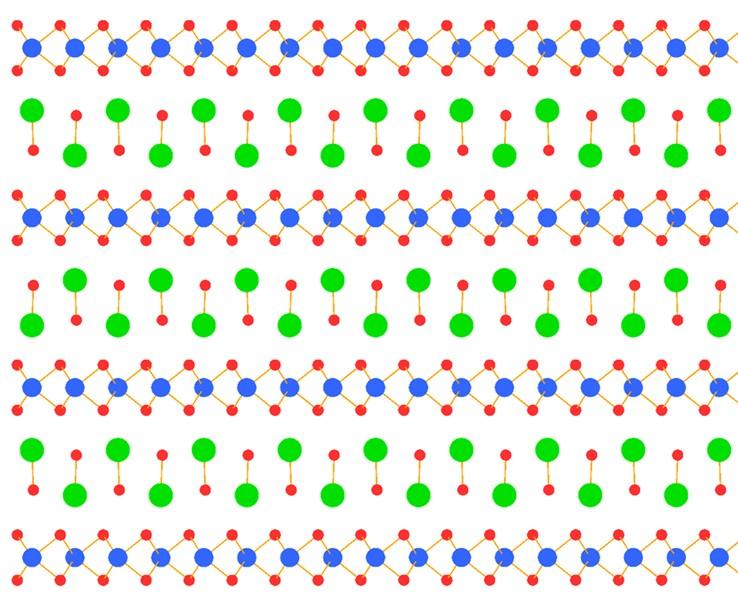
Using chaos as a tool, scientists discover new method of making 3D-heterostructured materials Scientists at the U.S. Department of Energy’s Ames Laboratory and their collaborators from Iowa State University have developed a new approach for generating layered, difficult-to-combine, heterostructured solids, materials, composed of layers of dissimilar building blocks that display unique electronic transport and magnetic properties that are governed by quantum interactions between their structurally different building blocks, and open new avenues for electronic and energy applications.
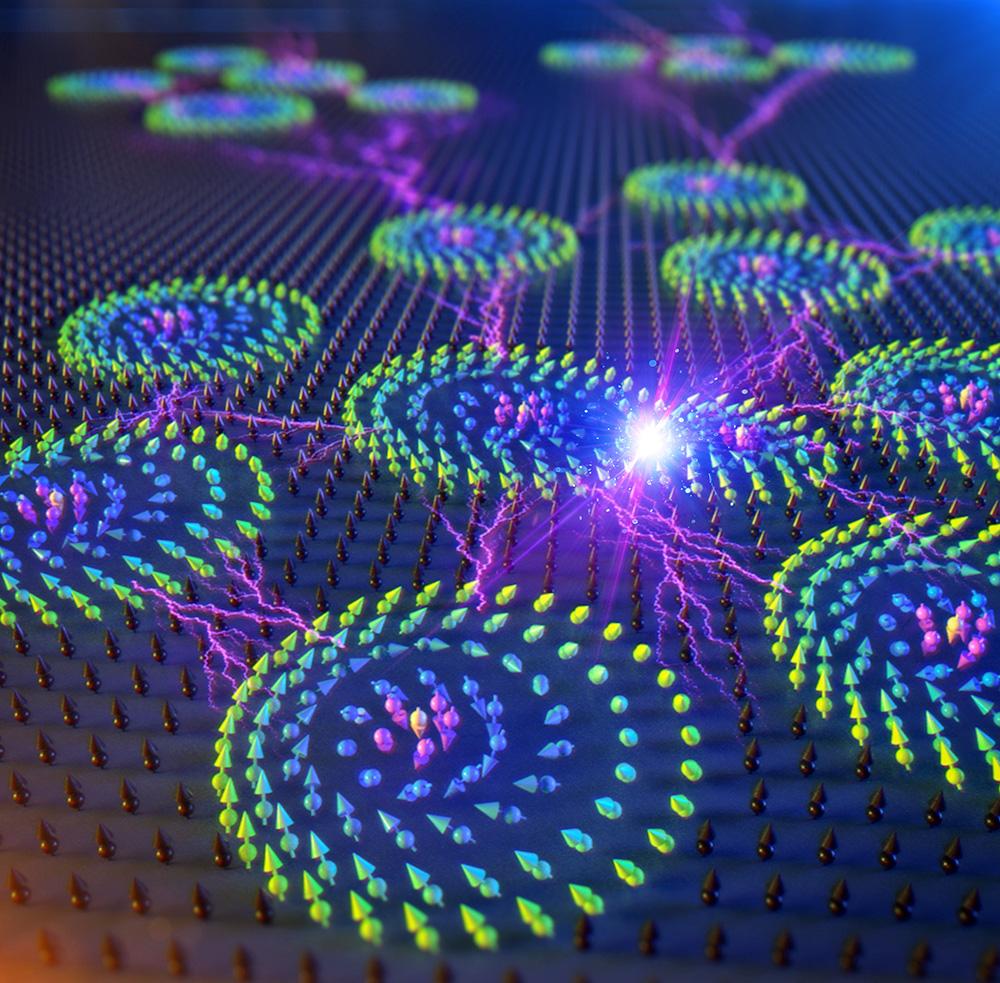
New discovery: skyrmions can split like biological cells Scientists at the U.S. Department of Energy’s Ames Laboratory have discovered that skyrmions— a type of quasiparticle with properties that could lead to the next generation of data storage and transfer— reproduce by splitting in a way very similar to biological cell division.
Ames Lab scientists find another clue to explain unconventional superconductivity Physicists have successfully performed measurements of an iron-based superconductor in a but difficult-to-reach regime where critical quantum fluctuations dominate the physics.
Paul Canfield elected to American Academy of Arts and Sciences Canfield is part of a new class of more than 250 members elected to the academy this year.
New discovery helps close the gap towards optically-controlled quantum computation New discovery helps close the gap towards optically-controlled quantum computation