
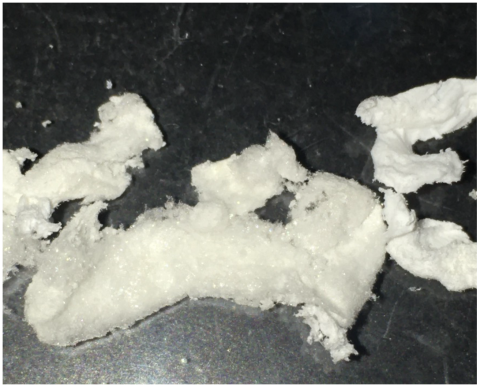
Scientific Achievement
The increasing prevalence of plastic waste combined with the inefficiencies of mechanical recycling has inspired interest in processes that can convert these waste streams into value-added biomaterials. To date, the microbial conversion of plastic substrates into biomaterials has been predominantly limited to polyhydroxyalkanoates production. Expanding the capabilities of these microbial conversion platforms to include a greater diversity of products generated from plastic waste streams can serve to promote the adoption of these technologies at a larger scale and encourage a more sustainable materials economy.
Significance and Impact
This work demonstrates a two-step catalytic-microbial process for the conversion of polyethylene-derived substrates to recombinant, protein-based materials. The findings in this work can serve as a basis for future endeavours seeking to upcycle recalcitrant plastic wastes into value-added recombinant proteins.
Research Details
- Convert high molecular weight polyolefin into high-quality liquid via selective hydrogenolysis catalyzed by Pt/SrTiO3.
- Develop a new strain of Pseudomonas aeruginosa capable of converting depolymerized polyethylene into high value bespoke recombinant protein products.
- Investigate the mechanism of incorporation of carbon from polyolefin waste into biodegradable silk-protein materials.
Connor, A.; Lamb, J. V.; Delferro, M.; Koffas, M.; Zha, R. H. Two-step conversion of polyethylene into recombinant proteins using a microbial platform. Microbial Cell Factories 2023, 22(1), 214. https://doi.org/10.1186/s12934-023-02220-0
iCOUP, an EFRC Supported by Basic Energy Sciences
Work was performed at Argonne National Laboratory and Rensselaer Polytechnic Institute